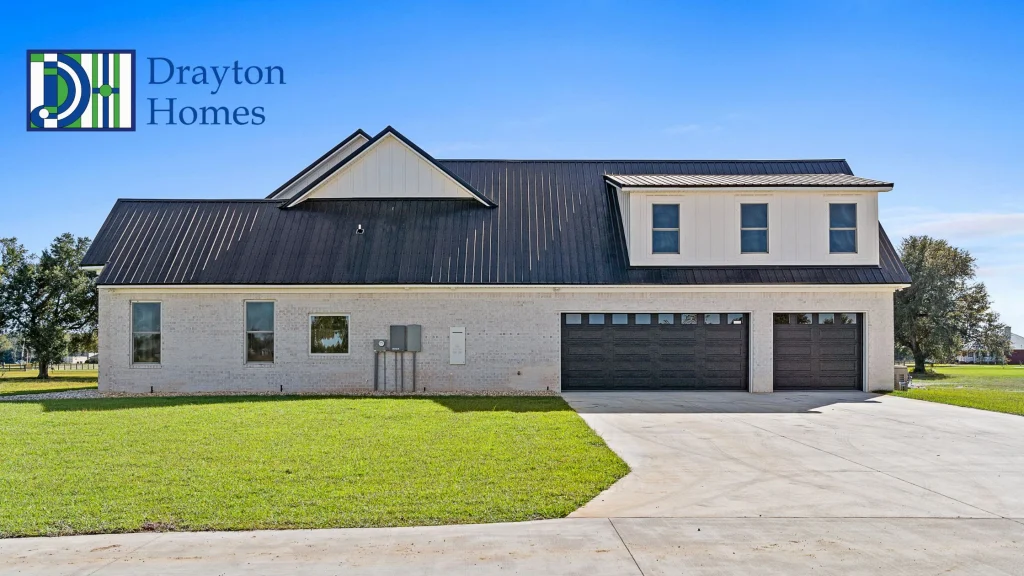
If you have spent any time researching custom home construction along the Gulf Coast, you have likely encountered the term FORTIFIED home. It appears in insurance conversations, building permit discussions and marketing materials from custom builders who prioritize coastal construction. But for many buyers, the term remains somewhat abstract. It may sound impressive without clearly explaining what it means structurally or why it matters for a home in Baldwin County.
This guide is designed to change that. By the time you finish reading, you will have a clear understanding of what a FORTIFIED home is, how it differs from a standard code-built home, what the Gold designation specifically means and why the decision to build to this standard, or not, has real consequences for coastal homeowners over the life of the structure.
Where FORTIFIED Comes From
The FORTIFIED program was developed by the Insurance Institute for Business and Home Safety, commonly known as the IBHS. The IBHS is a research organization funded by the insurance industry that studies how buildings perform during severe weather events and develops construction standards based on that research.
The FORTIFIED program grew out of decades of storm damage research showing that homes built to standard building codes can still sustain significant damage during high-wind events along the Gulf Coast. The research consistently identified specific points of failure, primarily the roof system, the connections between structural components and the openings in a home’s envelope, as the areas where better engineering could dramatically improve real-world performance.
FORTIFIED standards were developed to address exactly those failure points with construction methods proven to reduce storm damage and the repair costs that follow.
The Three Levels of FORTIFIED Certification
The FORTIFIED program has three designation levels: Bronze, Silver and Gold. Each level adds requirements intended to improve a home’s ability to withstand severe weather.
FORTIFIED Bronze focuses primarily on the roof system, requiring enhanced roof deck attachment, a sealed roof deck to prevent water intrusion if the roof covering is damaged and specific requirements for roof coverings and edge metal systems.
FORTIFIED Silver adds requirements for opening protection, meaning windows, doors and skylights, ensuring that these vulnerable points in the building envelope are reinforced to resist wind-driven debris and high-pressure differentials during storms.
FORTIFIED Gold, the highest designation available, adds the requirement for a continuous load path. This means the structural connections between the roof, walls and foundation are designed and installed to transfer wind loads continuously through the entire structure. Gold certification requires that all of the Bronze and Silver requirements are met in addition to this continuous load path requirement, making it the most comprehensive level of residential storm protection available.
What Gold FORTIFIED Actually Means for How a Home Is Built
The practical differences between a Gold FORTIFIED home and a standard code-built home are significant and worth understanding in concrete terms.
A standard code-built home is designed to meet the minimum structural requirements established by the local building code, which in Alabama incorporates elements of the International Residential Code and the state’s wind speed maps. Meeting code means the home is built to a level of safety that regulators have determined is acceptable for general construction in the area. It does not mean the home is optimized for the specific weather conditions it will actually face over the course of its lifetime.
A Gold FORTIFIED home, by contrast, is engineered to perform in those conditions. The key structural elements that distinguish a Gold FORTIFIED home include the following.
The continuous load path means every connection in the structural system, from the roof framing to the wall framing to the foundation, is engineered and fastened to transfer loads continuously down through the structure. During a severe wind event, the forces acting on a roof are substantial, and a home without a continuous load path relies on connections that were not designed to handle those loads, which is why roof failures and wall separations are among the most common and costly storm damage outcomes. A continuous load path eliminates the weak points in that chain.
The enhanced roof system includes specific requirements for how roof decking is attached to the framing below it, how the roof deck is sealed to prevent water intrusion if the covering is compromised during a storm and how roof edge metal is installed to prevent the kind of progressive roof failure that begins at the edges and works inward. These enhancements address the most common points of roof failure during high-wind events.
Impact-resistant openings address windows, doors and other penetrations in the home’s envelope that represent both structural and water intrusion vulnerabilities during severe weather. Reinforced connections around these openings and impact-resistant glazing or shuttering requirements help protect the interior of the home if the exterior is exposed to wind-driven debris or extreme pressure differentials.
Together these elements create a home that is not just structurally sound under normal conditions but engineered to remain intact and protect its occupants and contents under the conditions that Gulf Coast homeowners actually live with.
Why This Matters Specifically on the Gulf Coast
The Gulf Coast presents unique weather-related challenges for homeowners. Baldwin County and the surrounding region sit in a zone that experiences tropical storms and hurricanes on a recurring basis, along with severe thunderstorms, tornadoes and the kind of sustained high-wind events that accumulate structural stress on a home over time even when they do not reach hurricane status.
Standard building codes in this region are more stringent than in many parts of the country because of this exposure, but stringent code compliance and Gold FORTIFIED construction are still materially different things. The research behind the FORTIFIED program consistently shows that homes built to these standards perform significantly better during actual storm events than code-built homes in the same area, with meaningfully lower rates of damage and lower repair costs when damage does occur.
For a homeowner making a multi-decade investment in a coastal property, that performance difference translates directly into financial outcomes. A home that sustains less damage is a home that requires less repair spending over time, a home that maintains its value more reliably and a home that carries lower insurance costs because the risk it presents to an insurer is demonstrably lower.
The Insurance Benefit Is Real and Significant
Speaking of insurance, one of the most tangible near-term benefits of Gold FORTIFIED construction is the impact on homeowners insurance premiums. Many insurers offer significant discounts for homes certified to FORTIFIED standards, recognizing that these homes represent a lower risk of severe damage claims. In Alabama specifically, legislation has supported insurance premium discounts for FORTIFIED homes, and the savings can be meaningful enough to offset a portion of the incremental cost of building to Gold standard over time.
For buyers evaluating the cost difference between a Gold FORTIFIED custom home and a standard code-built home, factoring in the insurance premium difference over ten, fifteen or twenty years changes the financial picture considerably. The FORTIFIED home costs more to build. It may cost less to insure and repair, and its certification may appeal to buyers who value additional storm protection in a coastal market.
Gold FORTIFIED Is the Baseline at Drayton Homes, Not an Upgrade
This point deserves to be stated clearly because it is one of the things that distinguishes Drayton Homes from builders who offer FORTIFIED construction as an optional tier or a premium upgrade. Every home Drayton Homes builds is constructed to Gold FORTIFIED standards as the starting point, regardless of the size, scope or price of the project. Clients are not paying extra to get a stronger home. They are getting the strongest residential construction standard available because that is simply how Drayton builds.
This reflects a core philosophy: in a coastal environment like Baldwin County, structural protection is a priority rather than an optional feature. It is the foundation on which everything else is built, and compromising on it to reduce upfront costs introduces a set of long-term risks that a thoughtfully designed custom home should not carry.
Every Drayton home also benefits from the custom design process that ensures the structural engineering is integrated with the design intent from the beginning rather than added after the fact. The homes completed across communities including Fairhope, Daphne, Spanish Fort, Silverhill and Summerdale reflect this integrated approach, where what a home looks like and how it performs are not separate considerations but two expressions of the same commitment to quality.
What Buyers Should Ask When Evaluating Builders
For anyone building on the Gulf Coast, whether with Drayton Homes or any other builder, there are several questions worth asking directly when evaluating how a home will be constructed.
Does the builder build to FORTIFIED standards, and if so, which level? Bronze, Silver and Gold are meaningfully different, and the answer matters.
Is FORTIFIED construction included in the base build or is it an optional upgrade with an additional cost? The answer tells you something important about how the builder thinks about quality.
Can the builder provide documentation of FORTIFIED certification for homes they have completed? Certification is verified through the IBHS, and a builder who builds to this standard should be able to point to completed homes that have received designation.
How does the builder manage construction oversight and quality control? FORTIFIED construction requires specific installation methods to be followed correctly on site, not simply specified in the plans.
Building a Home That Is Ready for What the Coast Brings
The Gulf Coast is a genuinely beautiful and rewarding place to live, and the weather it brings is part of the reality of living here. Building a home designed and engineered for coastal weather, rather than one that simply meets minimum code requirements, is a practical investment in long-term protection. It is a practical decision that protects an investment, reduces long-term costs and gives homeowners something that standard construction simply cannot provide: genuine confidence in the structure above their heads when the weather turns serious.
If you are planning to build a custom home in Baldwin County and want to understand more about what Gold FORTIFIED construction looks like in practice, contact Drayton Homes at (251) 605-8595 to schedule a consultation. Every home Drayton builds begins with this standard, and the team is happy to walk through exactly what that means for your specific project.
Frequently Asked Questions
What organization certifies FORTIFIED homes and how does the process work?
FORTIFIED certification is administered by the Insurance Institute for Business and Home Safety, known as the IBHS. To receive FORTIFIED designation, a home must be built according to the specific construction requirements for the applicable level, Bronze, Silver or Gold, and must be inspected and verified by a certified FORTIFIED evaluator. The evaluator confirms that the required construction methods and materials were used correctly before the designation is issued. Drayton Homes builds every home to Gold FORTIFIED standards and the certification process is part of how every project is completed.
Does FORTIFIED Gold certification guarantee a home will not be damaged in a hurricane?
No construction standard can guarantee zero damage in a severe weather event, and FORTIFIED certification does not make that claim. What Gold FORTIFIED construction does is significantly reduce the likelihood and severity of storm damage by addressing the most common structural failure points identified in decades of post-storm research. Homes built to Gold FORTIFIED standards consistently perform better during actual storm events than standard code-built homes in the same area, with lower rates of significant damage and lower repair costs when damage does occur. The goal is a home engineered to perform under coastal conditions, not one that is immune to them.
How much can I save on homeowners insurance with a Gold FORTIFIED home in Alabama?
The specific discount varies by insurer and by individual policy circumstances, but insurance savings for FORTIFIED certified homes in Alabama can be significant. Alabama has supported legislation encouraging insurance discounts for FORTIFIED homes, and many carriers operating in the state offer meaningful premium reductions for homes with Gold certification. The cumulative insurance savings over the life of a mortgage can offset a portion of the incremental construction cost of building to Gold standard. Prospective buyers should discuss specific premium estimates with their insurance carrier during the planning process.
Is Gold FORTIFIED construction only relevant for homes close to the water?
No. While homes in close proximity to the Gulf of Mexico or Mobile Bay face the most direct exposure to storm surge and coastal winds, the high-wind events and severe weather that FORTIFIED construction is designed to address affect inland Baldwin County properties as well. Hurricanes and tropical storms bring damaging winds well beyond the immediate coastline, and tornadoes and severe thunderstorms are a risk across the entire county. Gold FORTIFIED construction improves storm performance for any home in the Gulf Coast region, not just those on or near the water.
How does Gold FORTIFIED construction affect the resale value of a home in Baldwin County?
Gold FORTIFIED certification is an increasingly recognized marker of quality and durability in Gulf Coast real estate markets. As buyers become more informed about what the designation means for storm performance, insurance costs and long-term maintenance, FORTIFIED homes tend to hold their value well and can command a premium over comparable non-certified homes in the same market. The combination of lower ongoing insurance costs, reduced expected repair costs over time and the documented construction quality that FORTIFIED certification represents makes these homes an attractive proposition for future buyers as well as the original owner.